Question to check
Begin with a familiar but unresolved question about growth-mindset feedback, replies, or peer response.
Social psychology and responsible AI
Grades 7-12 students study growth mindset, the adolescent brain, peer feedback, and emotion with privacy-safe data and AI.
Public research sources · No university affiliation
Stanford · Harvard public researchThis independent CIT course teaches students to read public papers and researcher resources critically. It is not an official or certified course of any institution shown.
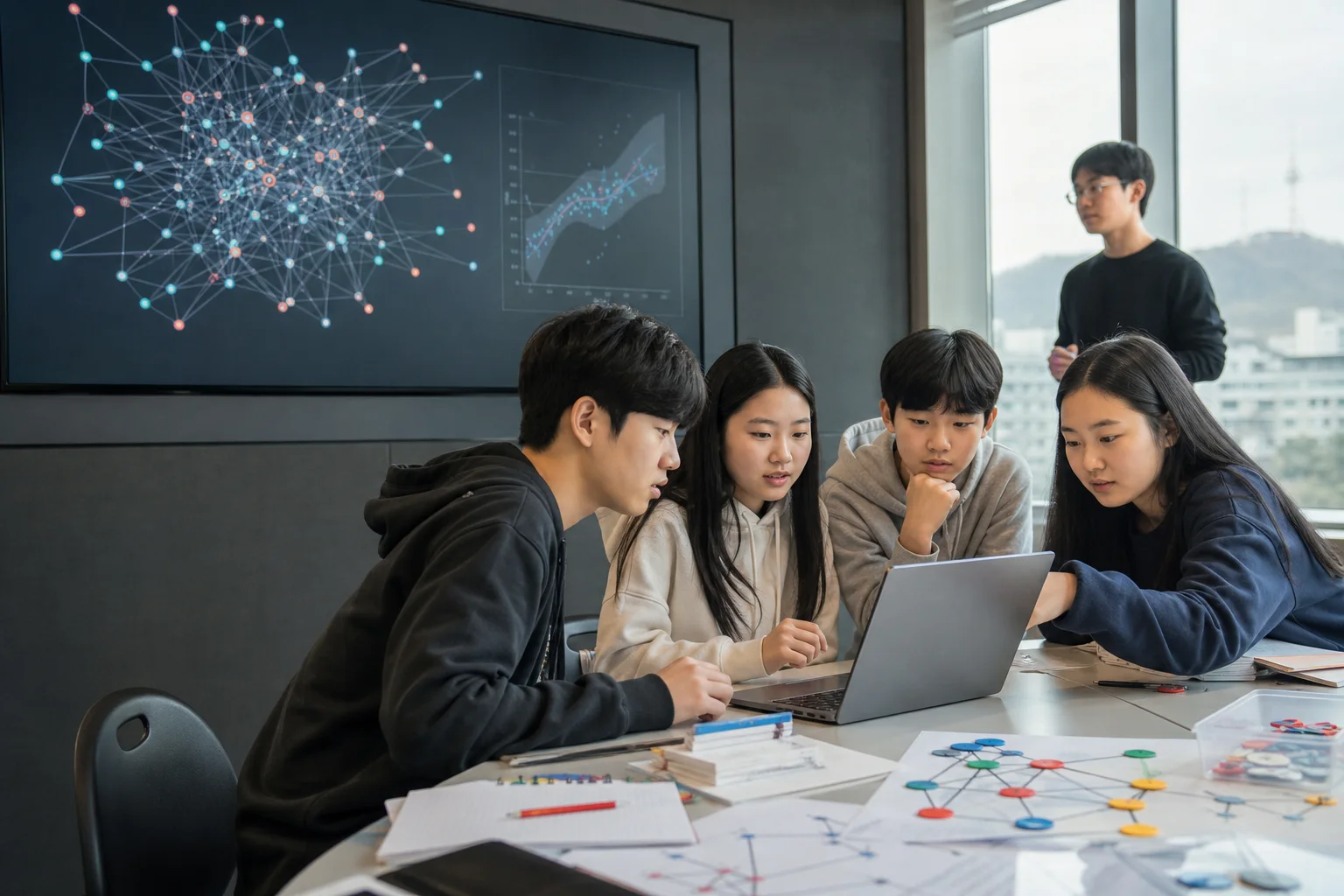
Students do not jump from an observation to a conclusion. They record possible explanations and limits.
The direct answer
It is not a class that asks AI to judge friends or diagnose emotions. Students turn an everyday social question into something they can check with privacy-safe data.
From research question to student experiment
The sequence of one session
Students make a prediction or inspect data within the first 15 minutes. They then produce a result and check whether another explanation is possible.
Begin with a familiar but unresolved question about growth-mindset feedback, replies, or peer response.
Change one condition in a fictional task or use public data to check the prediction.
Use a simple calculation or AI method to organize the result in a table or graph.
Review the number of participants, order, context, and other explanations before stating the result.
Privacy by design
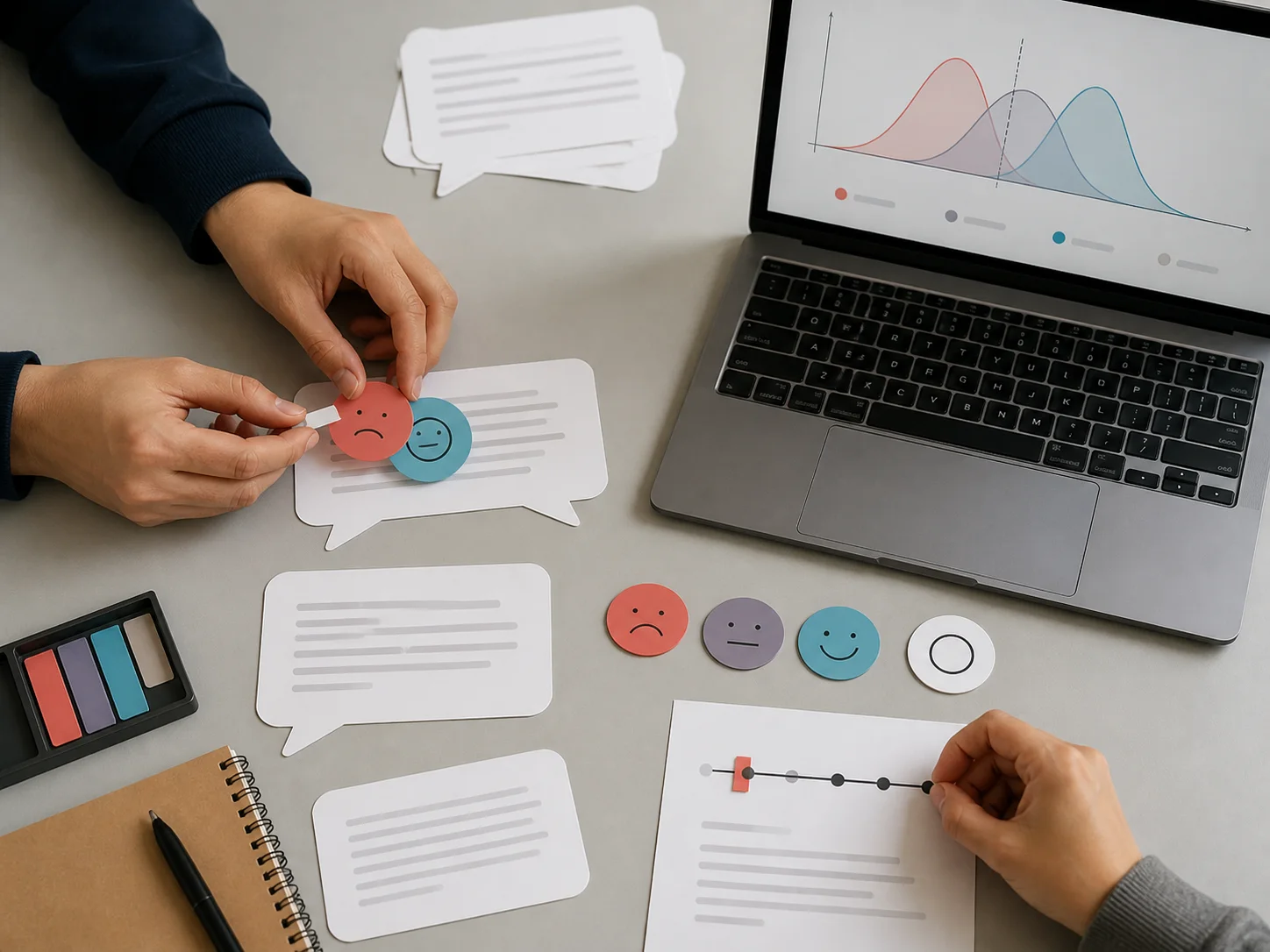
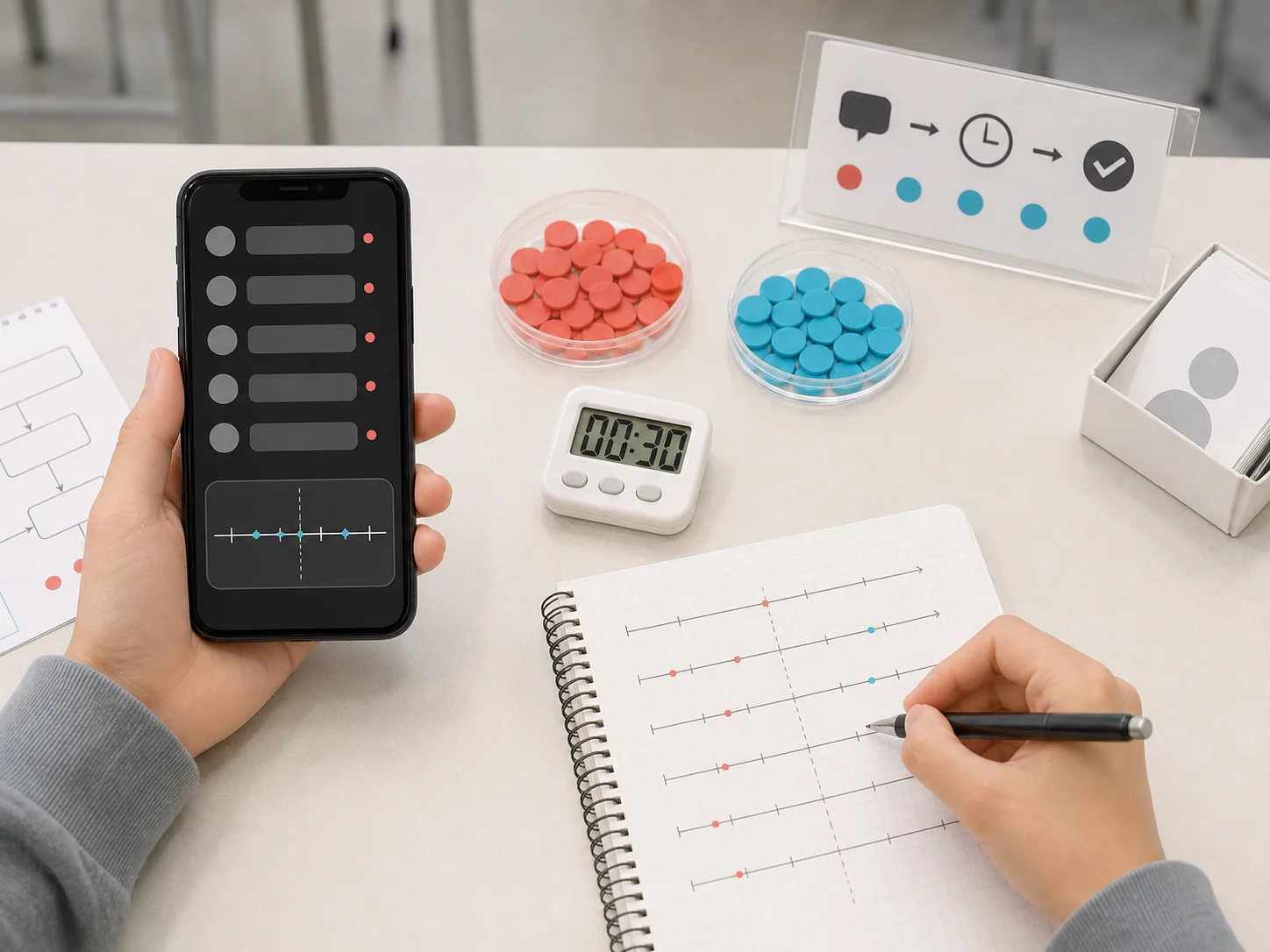
A useful research question does not justify collecting personal data. Students design experiments that work without it from the beginning.
Research context
Stanford growth-mindset research, Stanford Medicine work on individual brain dynamics, and Harvard adolescent peer-feedback research connect to course questions. Students inspect samples, methods, and interpretive limits.
Social Brain Lab is independently designed by CIT. It is not an official, affiliated, certified, or jointly developed course of Stanford University, Stanford Medicine, Harvard University, or any institution linked below.
Sources shown with limits
Visible outcomes
Explorer, Builder, and Researcher options change the amount of guidance and independent work. The question and evidence rules stay the same.
From public university research to student-owned work
Frequently asked questions
It is an 18-session course for Grades 7-12. Students study questions about friendship, emotion, relationships, and social judgment with privacy-safe data and AI.
No. CIT offers both onsite classes at its Apgujeong campus and online classes. A blended arrangement may also be discussed around the student's schedule and needs.
No. The course can run one-to-one or in a small group. Team activities follow the same readiness and privacy rules.
No. The course does not collect real names, private messages, contact details, faces, location, or health data. It prioritizes public data, fictional class data, and combined group results.
Yes. After a readiness review, the student uses the Explorer, Builder, or Researcher option. The question stays the same while the amount of guidance and independent work changes.
Start with a question
We review current coding experience, research interests, and the intended output, then choose one-to-one or small-group and onsite or online delivery.