College application activity evidence · student decisions and revision · Seoul and online
Competition entryBuilds an entry for a competition.
KOAI Preparation
Placement by readiness: how neural networks learn, image...
- Free consultation and level check
- Apgujeong classroom or online
- One-to-one or small group
- Registered academy no. 11882

Is KOAI Preparation a good fit for students placed by current readiness?
KOAI Preparation is a good fit for students whose starting point should be set by current readiness who are interested in how neural networks learn and image classification errors. CIT offers online or in-person lessons in Apgujeong, Gangnam, Seoul, in one-to-one or small-group formats. Students make machine learning practice notebooks, written answers with feedback notes, and a mock exam with a topic-by-topic analysis.
Students first confirm the year's eligibility rules, such as Korean nationality and current middle or high school enrollment, then take a diagnostic and learn Python, NumPy, and the AI math of vectors, probability, and gradients. They train scikit-learn classifiers and a small PyTorch neural network, then run an image demo and a text or audio demo to analyze errors and limits. Middle school students go on to multiple-choice and written answers, high school students to a portfolio, full-range written tests, a coding test, and a Korean-English interview, and each division ends with a mock exam. The student keeps a submission record they can explain themselves: the problem they chose, their solution, failed attempts, revisions, and limits.
Google sign-in is required. Existing account permissions determine access.
It was our first computing competition, so we did not know where to begin. The teachers guided us step by step from the start, and we were able to prepare for that first attempt.
- Age group
- Placement by readiness
- Academic subject
- AI & Data, Research & PortfolioBrowse subject
- Course type
- Competition preparation
- Format
- Online or Apgujeong in person · one-to-one or small group
- Teaching language
- Korean by default, with complete English materials
- Curriculum status
- Learning studioA structured learning studio with goals, deliverables, and follow-up work is available. Tutors confirm supporting materials before delivery.
How can I explain this course to my child?
If you enjoy pushing through hard questions about how neural networks learn or image classification errors, KOAI Preparation helps you turn that interest into a solution you can test, revise, and explain as your own.
Which interests suggest this course?
- how neural networks learn
- image classification errors
- text and audio AI
What does the student finish?Machine learning practice notebooks, written answers with feedback notes, and a mock exam with a topic-by-topic analysis.
Is this a good fit?
A strong fit for students who want to understand, build, test, or responsibly use AI systems.
Placement follows a short readiness check.
Beginners may start with guided templates.
More experienced students receive a deeper implementation path.
What will my child learn?
- Handle data in Python and NumPy, and check vectors, probability, and gradients by hand and in code.
- Train classic classifiers and a small neural network, evaluate accuracy, and watch the loss go down.
- Analyze image classification errors and explain the limits of text and audio demos in their own words.
- Write evidence-first answers to open-response questions and revise them against the scoring criteria.
How does the course progress?
- 1Diagnostic, Python, and AI Math
Confirm division eligibility and the IOAI selection path, take a diagnostic, and learn Python data structures, NumPy, and basic AI math.
- 2Middle School Scope: Foundations, Classic ML, and Deep Learning
Cover supervised and unsupervised learning and overfitting, then train scikit-learn classifiers and a small PyTorch neural network.
- 3High School Scope: Vision, Language, and Audio
Run an image classification demo and analyze its errors, then compare text tokens and embeddings with audio features and explain the limits.
- 4Division-Specific Assessment Prep
Middle school: multiple-choice and written answers. High school: a portfolio, written tests, a coding test, and a Korean-English interview.
- 5Mock Exams and Next-Season Check
Take a mock exam in the chosen division's format, then write a topic analysis and a checklist for next season's official rules.
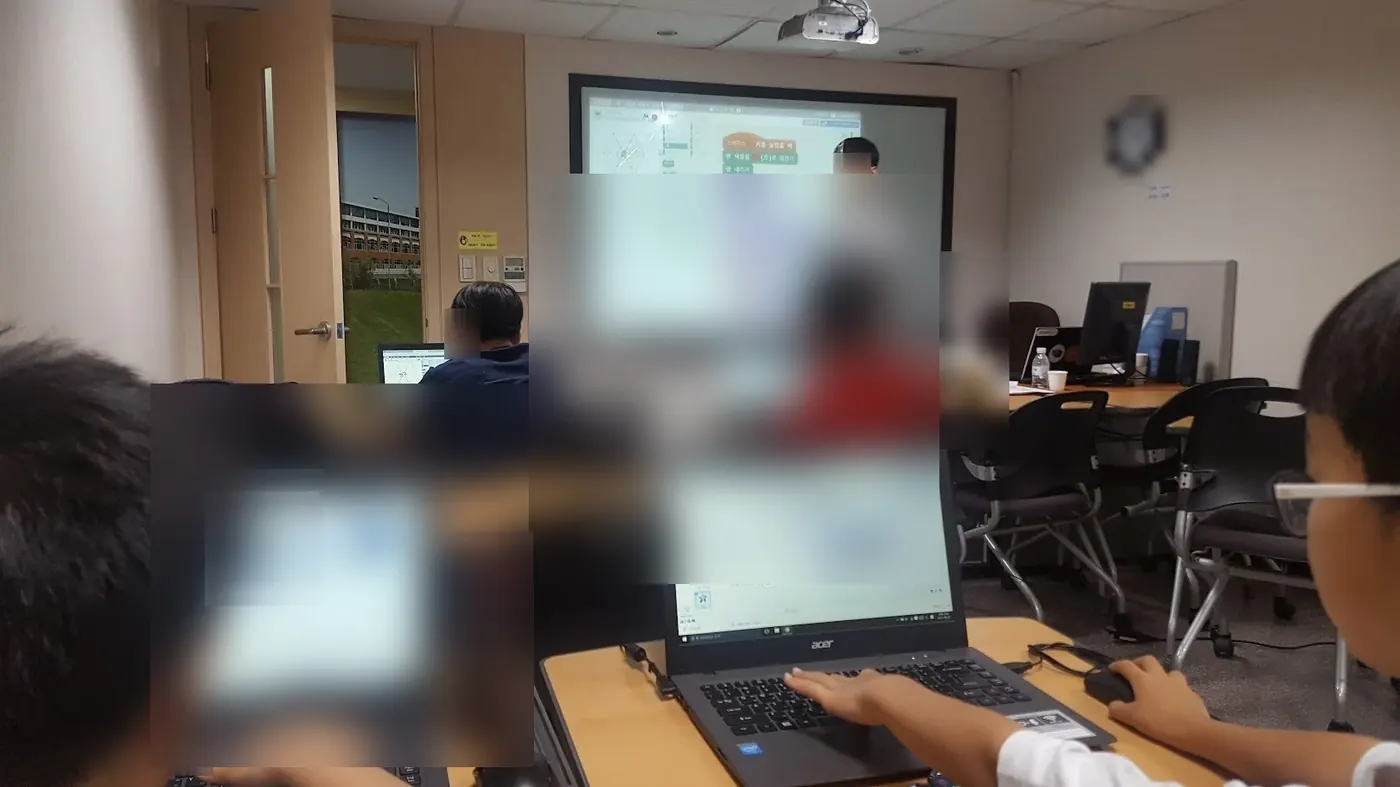
What counts as useful evidence?
Machine learning practice notebooks, written answers with feedback notes, and a mock exam with a topic-by-topic analysis.
What should an admissions reader be able to see?
The student keeps a submission record they can explain themselves: the problem they chose, their solution, failed attempts, revisions, and limits.
Useful evidence may include a documented dataset, baseline comparison, model evaluation, error analysis, and a clear record of the student's own decisions.
The evidence an application reads is what the student understood, completed, and can explain.
Open the detailed program pageQuestions parents search before choosing this course
Is KOAI Preparation a good fit for students placed by current readiness?
KOAI Preparation is a good fit for students whose starting point should be set by current readiness who are interested in how neural networks learn and image classification errors. CIT offers online or in-person lessons in Apgujeong, Gangnam, Seoul, in one-to-one or small-group formats. Students make machine learning practice notebooks, written answers with feedback notes, and a mock exam with a topic-by-topic analysis.
Can my child take KOAI Preparation online or in person, one-to-one or in a small group?
Yes. CIT offers online and in-person lessons at its Apgujeong academy in Gangnam, Seoul, with one-to-one and small-group options. A readiness consultation confirms the available format and starting point for the course.
Does my child need prior subject knowledge or coding experience for KOAI Preparation?
Placement follows a short readiness check. Beginners may start with guided templates. More experienced students receive a deeper implementation path.
What will my child make or practice in KOAI Preparation?
The main evidence is machine learning practice notebooks, written answers with feedback notes, and a mock exam with a topic-by-topic analysis. Students also document decisions, tests, feedback, and limits in age-appropriate language.
How does KOAI Preparation support competition and portfolio preparation?
Students move from Diagnostic, Python, and AI Math to a documented, student-owned submission. Useful evidence may include a documented dataset, baseline comparison, model evaluation, error analysis, and a clear record of the student's own decisions.
How are the schedule and tuition for KOAI Preparation determined?
CIT confirms the student's readiness, goal, location, class size, and current availability before recommending a course plan. The consultation and level check are free; tuition is explained before enrollment.
When should a student start?
Registration and submission windows are fixed by the organiser. CIT checks the time left before deciding how far the project can reasonably go, so an earlier start widens the options rather than the promises.
The teachers are always attentive and considerate, so we feel comfortable trusting them with our child.
Where else parents check CIT
Choose the course after a readiness check
CIT can compare this course with nearby options by age, subject, and current preparation.