College application research evidence · understanding and original contribution · Seoul and online
Project courseThe student keeps the work and the record they made.
AI Makers: Data, Decisions & Responsible Agents
Grades 3-5: bias in AI classifiers, robots that follow...
- Free consultation and level check
- Apgujeong classroom or online
- One-to-one or small group
- Registered academy no. 11882
Is AI Makers: Data, Decisions & Responsible Agents a good fit for elementary students in Grades 3-5?
AI Makers: Data, Decisions & Responsible Agents is a good fit for students in grades 3-5 who are interested in bias in AI classifiers and robots that follow rules. CIT offers online or in-person lessons in Apgujeong, Gangnam, Seoul, in one-to-one or small-group formats. Students make a rule-driven character or robot, a small classifier with an error log, and a capstone demo with a fairness review.
Students program game characters or robots with goals, loops, and stop conditions in block code, then organize cases, attributes, and labels in data tables for a smart app. Next they build a rule-based recommendation helper and train a small classifier in a classroom tool such as Teachable Machine, recording where it is wrong or unsure on examples it has not seen. Generative AI appears only on teacher-managed screens, and the capstone starts from a version that works without AI before one limited AI feature is added. The student sets their own question, then designs and tests a feature, model, interface, or solution of their own. In an application or interview, the student separates the material they drew on from their own decisions, results, failed attempts, revisions, and limits.
Google sign-in is required. Existing account permissions determine access.
As soon as my child got home, they showed me the game they had made. They said it was so much fun.
- Age group
- Grades 3-5
- Academic subject
- AI & Data, Engineering & RoboticsBrowse subject
- Course type
- Course
- Format
- Online or Apgujeong in person · one-to-one or small group
- Teaching language
- Korean by default, with complete English materials
- Curriculum status
- Learning studioA structured learning studio with goals, deliverables, and follow-up work is available. Tutors confirm supporting materials before delivery.
From open research to student-owned work
Students inspect a relevant public source, reproduce the idea, then add an original question, feature, or test. Every source is public, and each lesson names the exact page it opens.
How can I explain this course to my child?
If questions about bias in AI classifiers or robots that follow rules keep making you ask why, AI Makers: Data, Decisions & Responsible Agents lets you investigate the question with evidence, then build and defend an extension of your own.
Which interests suggest this course?
- bias in AI classifiers
- robots that follow rules
- data tables and labels
What does the student finish?A rule-driven character or robot, a small classifier with an error log, and a capstone demo with a fairness review.
Is this a good fit?
A strong fit for students who want to understand, build, test, or responsibly use AI systems.
Beginners can start with visual tools.
Students should be ready to save work and explain a simple choice.
Text coding is introduced only when it supports the project.
What will my child learn?
- Combine goals, state, loops, and stop conditions to program a character's or robot's behavior in blocks.
- Organize data tables by cases, attributes, and labels, and leave out personal information the goal does not need.
- Train and test a small classifier and explain how data quality and bias change its results.
- Check AI answers against teacher-provided sources and add points where a person approves or stops the work.
How does the course progress?
- 1Algorithms and Agent Behavior
Set a goal and success condition, then add loops, stop conditions, and state to a rule-driven character or robot.
- 2Data and Representation
Build a table with cases as rows and attributes as columns, write label rules, and design a smart app's inputs and outputs.
- 3Rule-Based Intelligent Systems
Build multi-condition rules and scene states, then test a helper that shows the reason behind each recommendation.
- 4Machine Learning and Uncertainty
Train a two- or three-category classifier, record right, wrong, and unsure results on new examples, and reduce errors.
- 5Natural Language Interaction
Rewrite unclear instructions, check a teacher-run AI's answers against sources, and compare them with human answers.
- 6Fixed Workflows and Tools
Draw an input, process, check, and output flowchart and finish a fixed AI workflow that hands failures back to a person.
- 7Testing, Privacy, Fairness, and Control
Test normal, boundary, and wrong inputs, collect less personal data, check fairness, and add approval and stop rules.
- 8Responsible AI Maker Capstone
Build a study helper, game NPC, robot, or data project from a no-AI core, test it with several users, and present it.
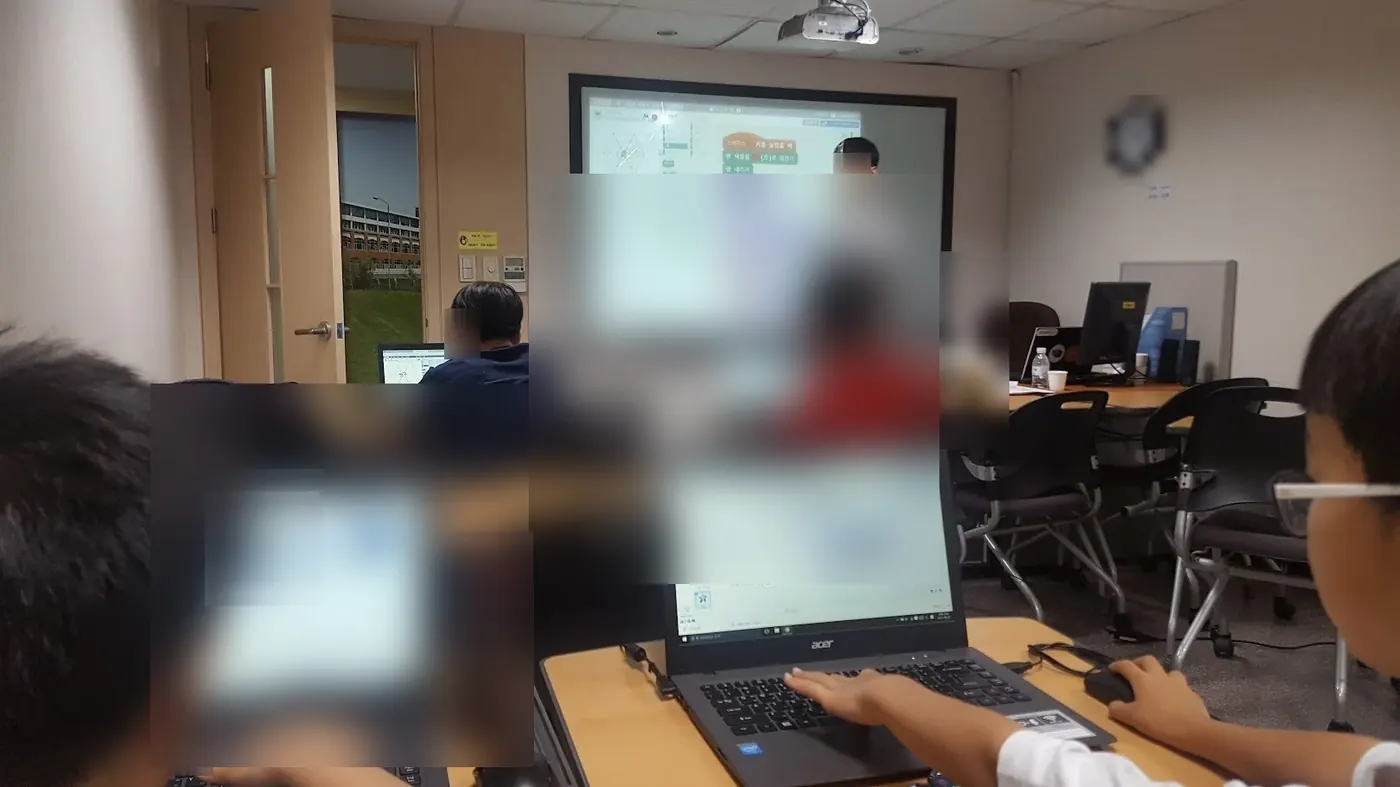
What counts as useful evidence?
A rule-driven character or robot, a small classifier with an error log, and a capstone demo with a fairness review.
What should an admissions reader be able to see?
The student sets their own question, then designs and tests a feature, model, interface, or solution of their own. In an application or interview, the student separates the material they drew on from their own decisions, results, failed attempts, revisions, and limits.
Useful evidence may include a documented dataset, baseline comparison, model evaluation, error analysis, and a clear record of the student's own decisions.
The evidence an application reads is what the student understood, completed, and can explain.
Which sources were reviewed?
- CSTA · 2026 PK-12 Computer Science Standards
- AI4K12 · Grade Band Progression Charts
- UNESCO · AI Competency Framework for Students
Catalog reviewed: 2026-09-30
Questions parents search before choosing this course
Is AI Makers: Data, Decisions & Responsible Agents a good fit for elementary students in Grades 3-5?
AI Makers: Data, Decisions & Responsible Agents is a good fit for students in grades 3-5 who are interested in bias in AI classifiers and robots that follow rules. CIT offers online or in-person lessons in Apgujeong, Gangnam, Seoul, in one-to-one or small-group formats. Students make a rule-driven character or robot, a small classifier with an error log, and a capstone demo with a fairness review.
Can my child take AI Makers: Data, Decisions & Responsible Agents online or in person, one-to-one or in a small group?
Yes. CIT offers online and in-person lessons at its Apgujeong academy in Gangnam, Seoul, with one-to-one and small-group options. A readiness consultation confirms the available format and starting point for the course.
Does my child need prior subject knowledge or coding experience for AI Makers: Data, Decisions & Responsible Agents?
Beginners can start with visual tools. Students should be ready to save work and explain a simple choice. Text coding is introduced only when it supports the project.
What will my child make or practice in AI Makers: Data, Decisions & Responsible Agents?
The main evidence is a rule-driven character or robot, a small classifier with an error log, and a capstone demo with a fairness review. Students also document decisions, tests, feedback, and limits in age-appropriate language.
How can a student describe work from AI Makers: Data, Decisions & Responsible Agents in a college application?
The student sets their own question, then designs and tests a feature, model, interface, or solution of their own. In an application or interview, the student separates the material they drew on from their own decisions, results, failed attempts, revisions, and limits. Useful evidence may include a documented dataset, baseline comparison, model evaluation, error analysis, and a clear record of the student's own decisions.
How are the schedule and tuition for AI Makers: Data, Decisions & Responsible Agents determined?
CIT confirms the student's readiness, goal, location, class size, and current availability before recommending a course plan. The consultation and level check are free; tuition is explained before enrollment.
When should a student start?
There is no fixed intake month. CIT reviews the student's current school term, readiness, and available hours, then names the point in the course where they should begin.
I worried because it was hard to explain to my child why they should learn coding. Being with friends seems to make the classes enjoyable for them.
Where else parents check CIT
Choose the course after a readiness check
CIT can compare this course with nearby options by age, subject, and current preparation.