Research records for college applications · Seoul and online
Project courseThe student keeps the work and the record they made.
Social Brain Lab
Grades 7-12: friendship, emotion, safe data, and AI.
Where this course comes fromThe universities and labs named here made the open projects or materials this course draws on. CIT designed the course independently; it is not an official, affiliated, or endorsed course of those institutions.
- Stanford PsychologyGrowth mindset
- Stanford MedicineIndividual brain dynamics
- Harvard Brain SciencePeer feedback
- GitHub Open ResearchReproducible projects
- Free consultation and level check
- Apgujeong classroom or online
- One-to-one or small group
- Registered academy no. 11882

Who is Social Brain Lab for?
Social Brain Lab is for students in Grades 7-12. Classes can run online or in person in Apgujeong, one-to-one or in a small group. Students use privacy-safe data to build a web program, tables and graphs, a GitHub project folder, and a research poster.
Students in Grades 7-12 study friendship, emotions, and checking for replies with fictional class data and public research data. They record the question, method, result, errors, and limits, then build their own project. In an application or interview, they separate the research they used from the work they completed themselves.
Google sign-in is required. Existing account permissions determine access.
I appreciated that a simple early idea was extended into an 'AI debate tool'. My child has always been interested in debate and social issues, so seeing that interest connect to the project makes me expect a more complete and distinctive result.
- Age group
- Grades 7-12
- Academic subject
- Biology & Health, AI & Data, Humanities & Social Sciences, Research & PortfolioBrowse subject
- Course type
- Course
- Format
- Online or Apgujeong in person · one-to-one or small group
- Teaching language
- Korean by default, with complete English materials
- Curriculum status
- Lesson-readyEvery learning item includes the evidence, worked example, practical work, and tutor guidance required by CIT's lesson-ready standard.
Growth mindset and adolescent neuroscience become testable student work
Students examine Stanford growth-mindset evidence, Stanford Medicine work on individual brain differences, and Harvard research on adolescent peer feedback. They reproduce a safe method, test one question, and record limits in GitHub. Names identify public sources, not affiliation or endorsement.
- Stanford PsychologyGrowth mindset
- Stanford MedicineIndividual brain dynamics
- Harvard Brain SciencePeer feedback
- GitHub Open ResearchReproducible projects
How can I explain this course to my child?
Ever wondered whether growth-mindset feedback changes the choice to retry after a mistake, why peer feedback gets so much attention in adolescence, or how the brain learns to revise a strategy? Social Brain Lab turns Stanford and Harvard research questions into privacy-safe behavioral experiments, data analysis, and a GitHub research record.
Which interests suggest this course?
- growth mindset and responses to mistakes
- the adolescent brain and peer feedback
- emotion regulation and social learning
What does the student finish?The student leaves with a web program, tables and graphs, a GitHub project folder, and a research poster.
Is this a good fit?
This course is for students who want to study questions about friendship, emotion, communication, or AI without using private information. No prior psychology or coding course is required.
Placement follows a short readiness check.
Beginners may start with guided templates.
More experienced students receive a deeper implementation path.
What will my child learn?
- Explain adolescent social psychology in clear, age-appropriate language.
- Use the brain, emotion, and peer feedback in a guided analysis or build.
- Compare evidence, test assumptions, and identify limits in behavioral experiments and responsible AI.
- Create a web program, tables and graphs, a GitHub project folder, and a research poster. Document the student's own role and decisions.
- Stanford PsychologyGrowth mindset
- Stanford MedicineIndividual brain dynamics
- Harvard Brain SciencePeer feedback
- GitHub Open ResearchReproducible projects
How does the class work?
- 1Growth mindset, feedback framing, and trying again
- 2Adolescent neuroscience, peer feedback, and emotion
- 3Social learning, friendship networks, and interface design
- 4Fictional AI participants, replication, and limits
- 5Independent research with a GitHub record and poster
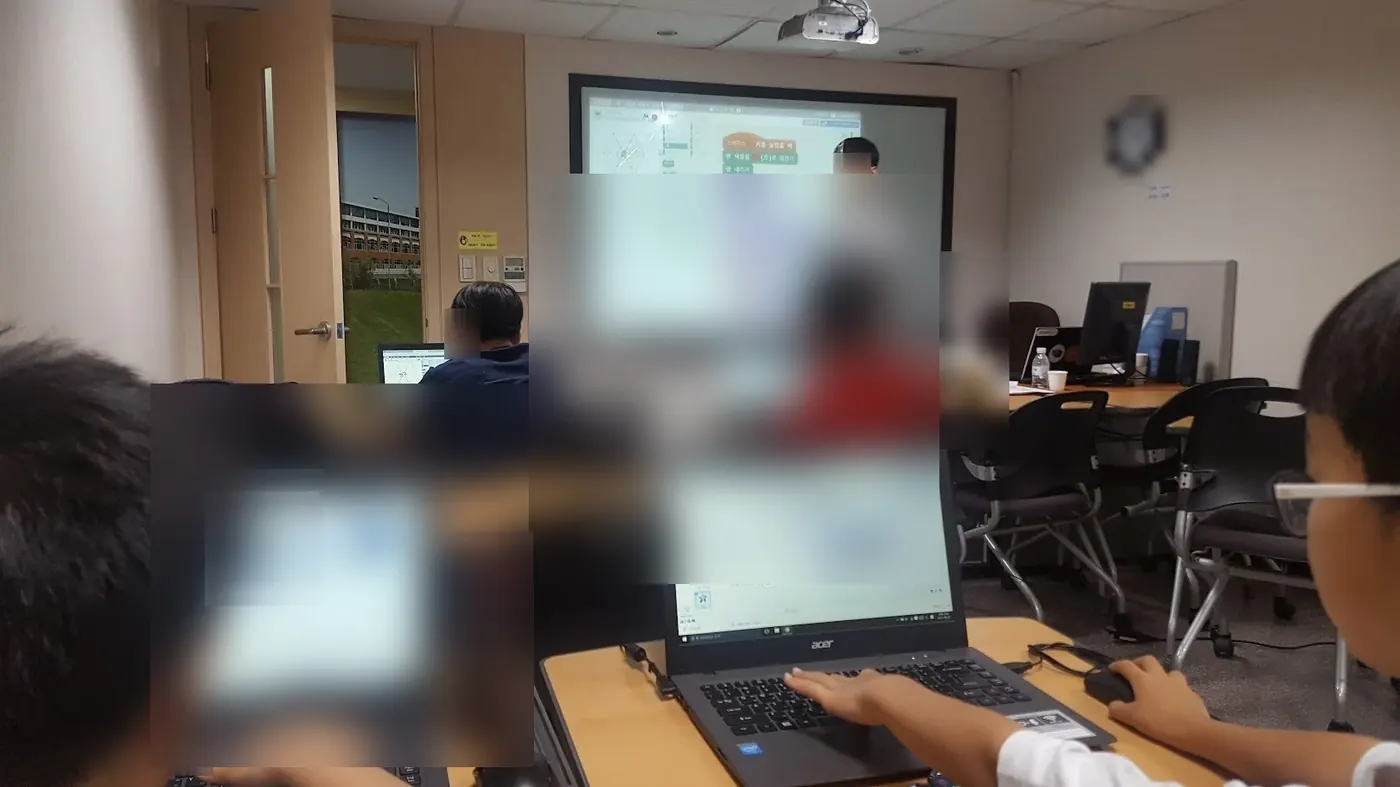
What does the student create and record?
A web program, tables and graphs, a GitHub project folder, and a research poster.
How can the student explain the work in an application?
Students first understand the public questions and methods used by Harvard researchers. They then test their own question with privacy-safe data. In a college application or interview, they distinguish the source research from their own method, results, errors, and limits.
The student records the question, prediction, data, method, results, errors, and limits, then explains which parts came from public research and which parts they completed.
These names identify who published the open project the course starts from. The evidence an application reads is what the student understood, completed, and can explain.
The system this course takes apart
- the subject one psychology study the student designs
- 5 boxes
- no external code repository
The student separates their own study into five boxes and changes one counting rule to see how much the conclusion moves. In class the thing the student works on is separated into 5 boxes; the lesson opens one of them and changes one thing.
- InputWhat comes in?
The conditions shown to participants, and the responses they leave
- Memoryopened hereWhat persists?
The response table, and the definitions fixed in advance for what counts as what
- ProcessWhat transforms?
Counting the rate in each condition and comparing the two
- OutputWhat leaves, and who uses it?
The chart by condition, and the note on what the result cannot say
- ControlWhat decides when anything runs?
The procedure deciding who sees which condition first, and when the next condition starts
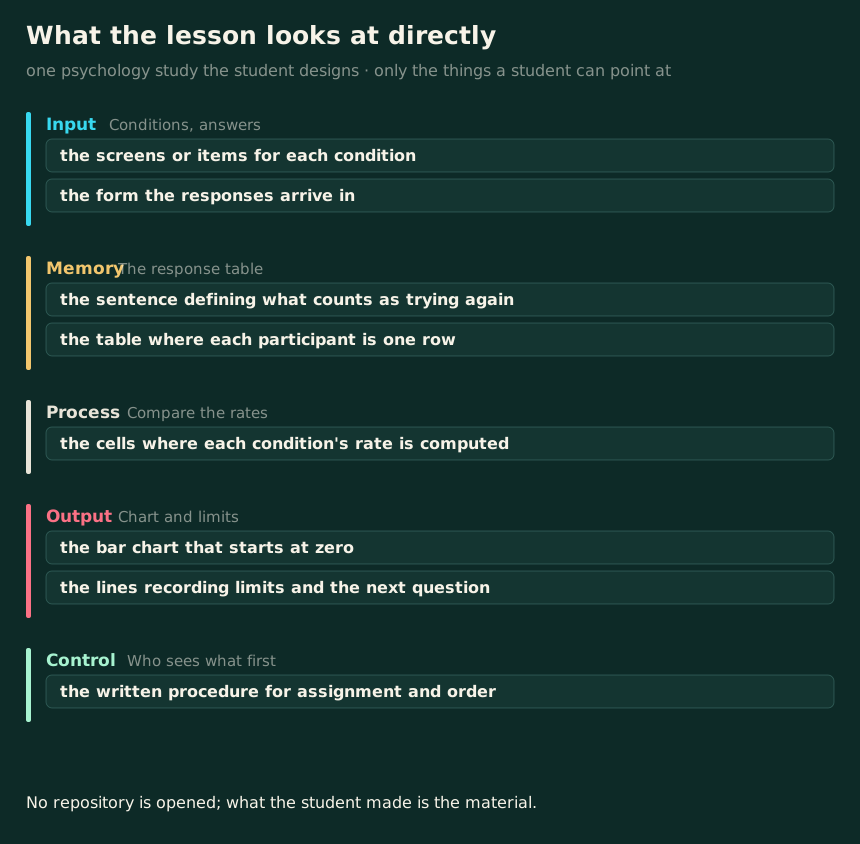
This course reads no public code repository: the tables and records the student makes are the material.
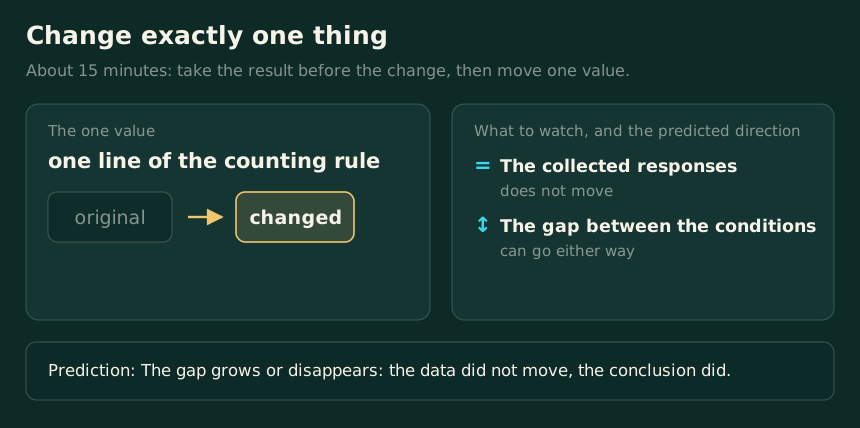
One value moves and everything else stays. The right-hand column is the prediction written before the run, not a result; the work is reconciling the two.
On a narrow screen, swipe the picture sideways.
The universities and labs named here made the open projects this course reads. CIT designed the course independently; it is not an official, affiliated, or endorsed course.
Which public research does the class use?
Catalog reviewed: 2026-09-30
- Stanford PsychologyGrowth mindset
- Stanford MedicineIndividual brain dynamics
- Harvard Brain SciencePeer feedback
- GitHub Open ResearchReproducible projects
Questions about Social Brain Lab
Who is Social Brain Lab for?
It is for students in Grades 7-12. A student can start without prior psychology or coding experience, then choose the amount of guidance based on current readiness.
Can Social Brain Lab run onsite, online, one-to-one, or in a small group?
Yes. CIT offers onsite classes in Apgujeong and instructor-led online classes. The course can run one-to-one or in a small group.
Does Social Brain Lab use real messages or information about friends?
No. Students use public research data, fictional situations, and fictional class data. They do not submit real names, private messages, faces, locations, health information, or relationship histories.
What does a student make in Social Brain Lab?
Students make a web program, tables and graphs, a GitHub project folder, and a research poster. They also record the question, method, results, errors, and limits.
How can a student explain Social Brain Lab work in a college application?
Students first understand the public questions and methods used by Harvard researchers. They then test their own question with privacy-safe data. In a college application or interview, they distinguish the source research from their own method, results, errors, and limits.
How are the Social Brain Lab schedule and tuition decided?
CIT reviews the student's readiness, goals, location, class size, and available times before proposing a course plan. Tuition is explained before enrollment.
When should a student start?
There is no fixed intake month. CIT reviews the student's current school term, readiness, and available hours, then names the point in the course where they should begin.
The teachers are always attentive and considerate, so we feel comfortable trusting them with our child.
Where else parents check CIT
Ask whether Social Brain Lab fits the student
CIT reviews the student's interests, current preparation, preferred class format, and available times.