College application research evidence · understanding and original contribution · Seoul and online
Project courseThe student keeps the work and the record they made.
Visual Python I: Turtle Graphics
Placement by readiness: polygons drawn with loops...
- Free consultation and level check
- Apgujeong classroom or online
- One-to-one or small group
- Registered academy no. 11882
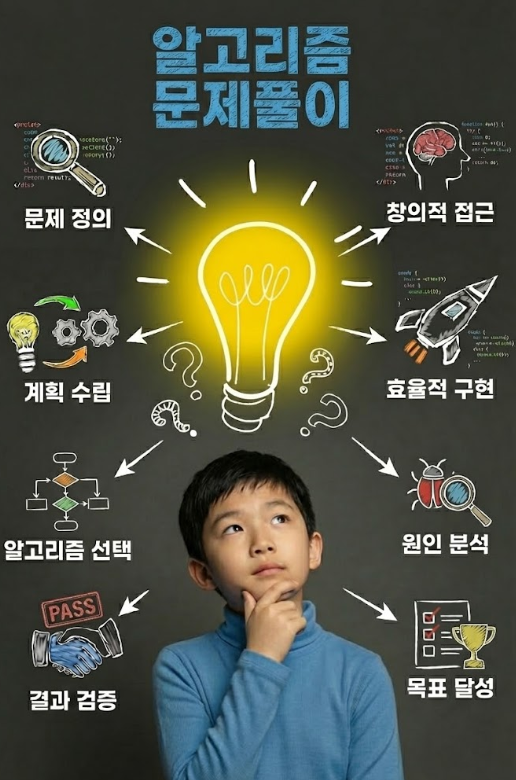
Is Visual Python I: Turtle Graphics a good fit for students placed by current readiness?
Visual Python I: Turtle Graphics is a good fit for students whose starting point should be set by current readiness who are interested in polygons drawn with loops and spiral patterns that change step by step. CIT offers online or in-person lessons in Apgujeong, Gangnam, Seoul, in one-to-one or small-group formats. Students make step-by-step Turtle practice files, a written comparison of input values, and a spiral artwork using variables, loops, and functions.
Students open a Python environment with a Turtle canvas, run their first commands, and learn to tell code, output, and error messages apart. They write comments, move the turtle with movement commands, keep colors and distances in variables, and use if statements to split its behavior two ways. Loops with range and for, the changing loop variable i, and functions made with def lead to a final spiral project whose result changes with the input values. The student sets their own question, then designs and tests a feature, model, interface, or solution of their own. In an application or interview, the student separates the material they drew on from their own decisions, results, failed attempts, revisions, and limits.
Google sign-in is required. Existing account permissions determine access.
The director and the teacher handled the consultation so well that my child said they wanted to take the Python course.
- Age group
- Placement by readiness
- Academic subject
- Computer Science & CodingBrowse subject
- Course type
- Course
- Format
- Online or Apgujeong in person · one-to-one or small group
- Teaching language
- Korean by default, with complete English materials
- Curriculum status
- Lesson-readyEvery learning item includes the evidence, worked example, practical work, and tutor guidance required by CIT's lesson-ready standard.
From open research to student-owned work
Students inspect a relevant public source, reproduce the idea, then add an original question, feature, or test. Every source is public, and each lesson names the exact page it opens.
How can I explain this course to my child?
If questions about polygons drawn with loops or spiral patterns that change step by step keep making you ask why, Visual Python I: Turtle Graphics lets you investigate the question with evidence, then build and defend an extension of your own.
Which interests suggest this course?
- polygons drawn with loops
- spiral patterns that change step by step
- turtle movement and angles
What does the student finish?Step-by-step Turtle practice files, a written comparison of input values, and a spiral artwork using variables, loops, and functions.
Is this a good fit?
A strong fit for students who want to create software, strengthen CS fundamentals, or prepare for a computing course or competition.
Placement follows a short readiness check.
Beginners may start with guided templates.
More experienced students receive a deeper implementation path.
What will my child learn?
- Trace the top-to-bottom order of commands and tell code, output, and error messages apart.
- Store colors and distances in variables for reuse, and follow how a command runs only when a condition is true.
- Predict the numbers range produces from start, stop, and step, and build polygons from loop counts and turn angles.
- Bundle repeated commands into functions with def and reuse them with parameters for different sizes and colors.
How does the course progress?
- 1First Code
Run a first program on the Turtle canvas and use comments to record the code's intent and test results.
- 2Moving the Turtle
Move the turtle with import, shape, and forward, keep colors and distances in variables, and split its behavior with if.
- 3Loops
Design number sequences with range, then draw polygons and changing patterns with for loops and the loop variable i.
- 4Functions and the Final Project
Build shape functions with def and parameters, then combine variables, loops, and functions in a spiral artwork.
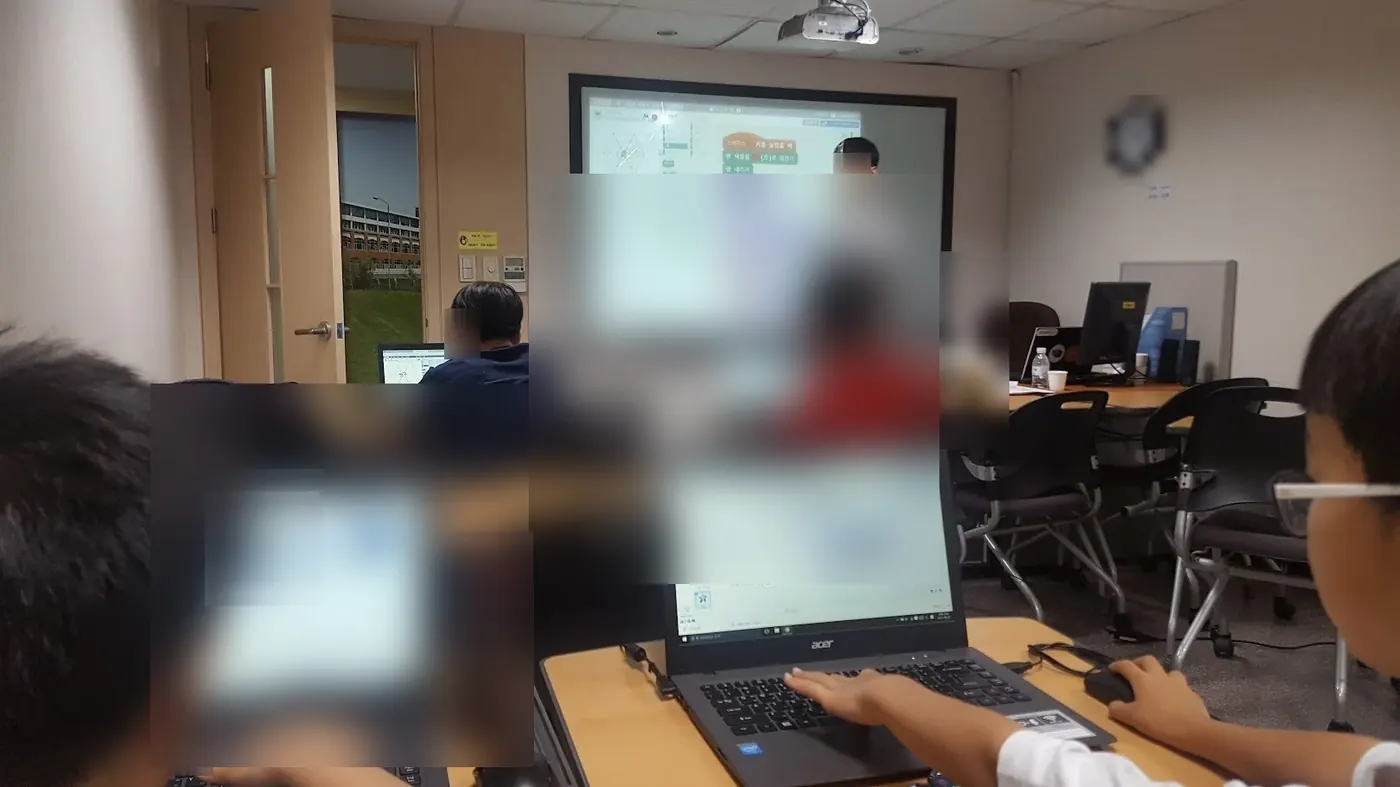
What counts as useful evidence?
Step-by-step Turtle practice files, a written comparison of input values, and a spiral artwork using variables, loops, and functions.
What should an admissions reader be able to see?
The student sets their own question, then designs and tests a feature, model, interface, or solution of their own. In an application or interview, the student separates the material they drew on from their own decisions, results, failed attempts, revisions, and limits.
Useful evidence may include readable code, tests, version history, design choices, and a working product the student can explain.
The evidence an application reads is what the student understood, completed, and can explain.
Open the detailed program pageQuestions parents search before choosing this course
Is Visual Python I: Turtle Graphics a good fit for students placed by current readiness?
Visual Python I: Turtle Graphics is a good fit for students whose starting point should be set by current readiness who are interested in polygons drawn with loops and spiral patterns that change step by step. CIT offers online or in-person lessons in Apgujeong, Gangnam, Seoul, in one-to-one or small-group formats. Students make step-by-step Turtle practice files, a written comparison of input values, and a spiral artwork using variables, loops, and functions.
Can my child take Visual Python I: Turtle Graphics online or in person, one-to-one or in a small group?
Yes. CIT offers online and in-person lessons at its Apgujeong academy in Gangnam, Seoul, with one-to-one and small-group options. A readiness consultation confirms the available format and starting point for the course.
Does my child need prior subject knowledge or coding experience for Visual Python I: Turtle Graphics?
Placement follows a short readiness check. Beginners may start with guided templates. More experienced students receive a deeper implementation path.
What will my child make or practice in Visual Python I: Turtle Graphics?
The main evidence is step-by-step Turtle practice files, a written comparison of input values, and a spiral artwork using variables, loops, and functions. Students also document decisions, tests, feedback, and limits in age-appropriate language.
How can a student describe work from Visual Python I: Turtle Graphics in a college application?
The student sets their own question, then designs and tests a feature, model, interface, or solution of their own. In an application or interview, the student separates the material they drew on from their own decisions, results, failed attempts, revisions, and limits. Useful evidence may include readable code, tests, version history, design choices, and a working product the student can explain.
How are the schedule and tuition for Visual Python I: Turtle Graphics determined?
CIT confirms the student's readiness, goal, location, class size, and current availability before recommending a course plan. The consultation and level check are free; tuition is explained before enrollment.
When should a student start?
There is no fixed intake month. CIT reviews the student's current school term, readiness, and available hours, then names the point in the course where they should begin.
My child loved that the teacher explained things really well and made the lesson enjoyable. We are very glad too.
Where else parents check CIT
Choose the course after a readiness check
CIT can compare this course with nearby options by age, subject, and current preparation.