College application research evidence · understanding and original contribution · Seoul and online
Project courseThe student keeps the work and the record they made.
IB Theory of Knowledge
Grades 9-12: the limits of knowledge, competing...
- Free consultation and level check
- Apgujeong classroom or online
- One-to-one or small group
- Registered academy no. 11882

Is IB Theory of Knowledge a good fit for high school students in Grades 9-12?
IB Theory of Knowledge is a good fit for students in grades 9-12 who are interested in the limits of knowledge and competing perspectives. CIT offers online or in-person lessons in Apgujeong, Gangnam, Seoul, in one-to-one or small-group formats. Students make a TOK exhibition with written commentary and a TOK essay with claims and counterclaims.
Theory of Knowledge asks what grounds people have for claiming to know something, and how those grounds differ across fields. Students begin with the core theme of knowledge and the knower, study optional themes chosen from technology, language, politics, religion, and indigenous societies, and then compare mathematics, the natural sciences, the human sciences, history, and the arts. The course ends with the TOK exhibition, which links everyday objects to questions about knowledge, and the TOK essay, which weighs claims and counterclaims with examples. The student sets their own question, then designs and tests a feature, model, interface, or solution of their own. In an application or interview, the student separates the material they drew on from their own decisions, results, failed attempts, revisions, and limits.
This public guide describes the intended direction. A dedicated learning studio is not available yet.
My child loved that the teacher explained things really well and made the lesson enjoyable. We are very glad too.
- Age group
- Grades 9-12
- Academic subject
- Humanities & Social SciencesBrowse subject
- Course type
- Exam preparation
- Format
- Online or Apgujeong in person · one-to-one or small group
- Teaching language
- Korean by default, with complete English materials
- Curriculum status
- Planned courseThis subject is available for consultation, but a teachable lesson sequence is not yet published.
From open research to student-owned work
Students inspect a relevant public source, reproduce the idea, then add an original question, feature, or test. Every source is public, and each lesson names the exact page it opens.
How can I explain this course to my child?
If questions about the limits of knowledge or competing perspectives keep making you ask why, IB Theory of Knowledge lets you investigate the question with evidence, then build and defend an extension of your own.
Which interests suggest this course?
- the limits of knowledge
- competing perspectives
- evidence in science and history
What does the student finish?A TOK exhibition with written commentary and a TOK essay with claims and counterclaims.
Is this a good fit?
A strong fit for students considering humanities, social science, law, policy, communications, education, or interdisciplinary study.
Current study of, or planned preparation for, IB Theory of Knowledge.
A short diagnostic review sets the starting point.
Progress depends on regular practice and acting on feedback.
What will my child learn?
- Distinguish knowledge claims from counterclaims and judge how reliable the supporting evidence is.
- Compare how mathematics, the natural sciences, the human sciences, history, and the arts produce and test knowledge.
- Explain with concrete examples how a knower's perspective and background shape knowledge.
- Link objects and cases to questions about knowledge and argue the link in an exhibition and an essay.
Which units does the official course cover?
- 1Core Theme: Knowledge and the Knower
Examine how a knower's perspective, experience, and communities shape what they believe they know.
- 2Optional Themes: Technology, Language, Politics, Religion, Indigenous Societies
Study how knowledge is produced and used in the optional themes chosen from this list.
- 3Areas of Knowledge: Mathematics and the Natural Sciences
Compare the certainty that proof and experiment offer, and trace how scientific knowledge has changed.
- 4Areas of Knowledge: Human Sciences, History, and the Arts
Question how the human sciences study people, how history gets written, and what kind of knowledge the arts carry.
- 5TOK Exhibition
Choose everyday objects, link each to a question about knowledge, and prepare an exhibition explaining the links.
- 6TOK Essay
Respond to a prescribed essay title with claims and counterclaims supported by examples from areas of knowledge.
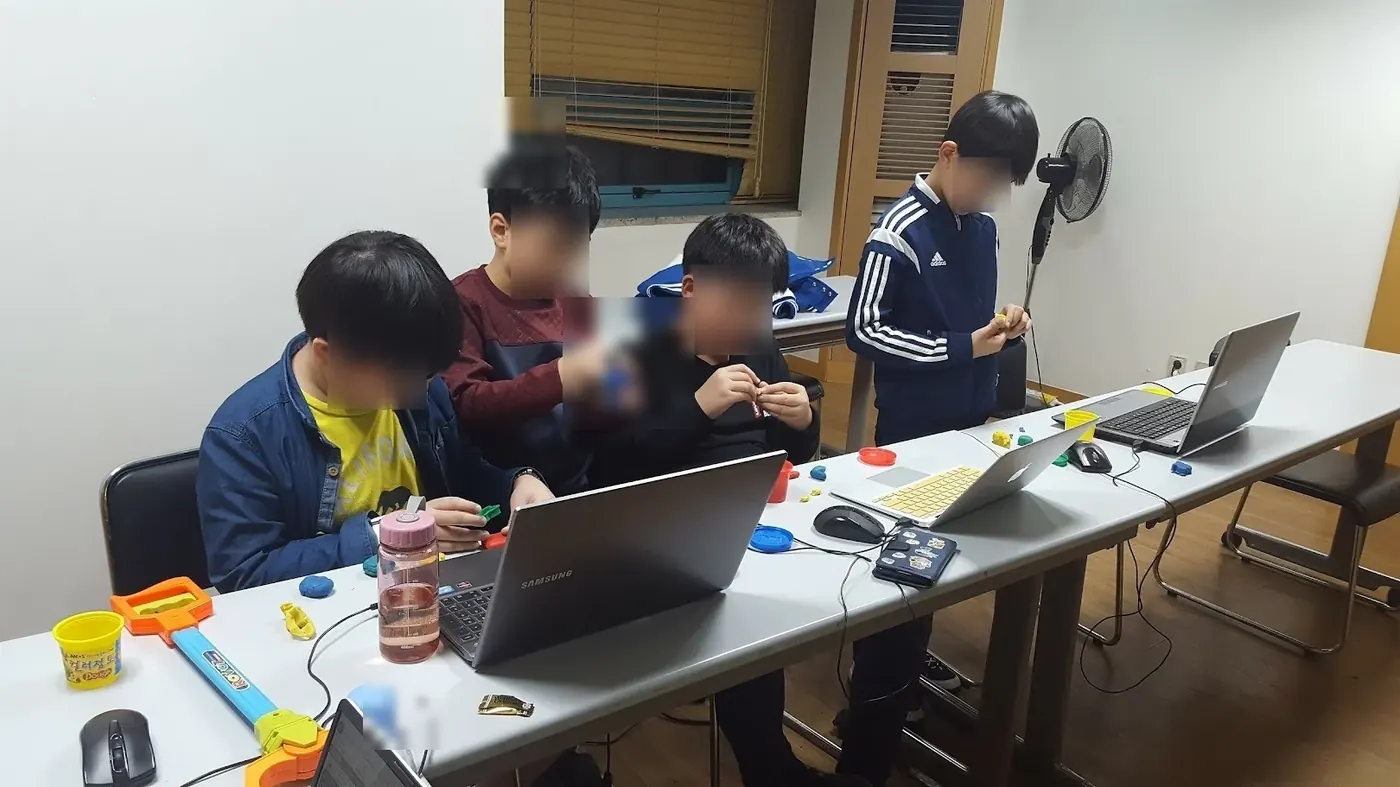
What counts as useful evidence?
A TOK exhibition with written commentary and a TOK essay with claims and counterclaims.
What should an admissions reader be able to see?
The student sets their own question, then designs and tests a feature, model, interface, or solution of their own. In an application or interview, the student separates the material they drew on from their own decisions, results, failed attempts, revisions, and limits.
Useful evidence may include a sourced argument, comparative analysis, research question, annotated evidence, and a revision that responds to feedback.
The evidence an application reads is what the student understood, completed, and can explain.
Which sources were reviewed?
Catalog reviewed: 2026-09-30
Questions parents search before choosing this course
Is IB Theory of Knowledge a good fit for high school students in Grades 9-12?
IB Theory of Knowledge is a good fit for students in grades 9-12 who are interested in the limits of knowledge and competing perspectives. CIT offers online or in-person lessons in Apgujeong, Gangnam, Seoul, in one-to-one or small-group formats. Students make a TOK exhibition with written commentary and a TOK essay with claims and counterclaims.
Can my child take IB Theory of Knowledge online or in person, one-to-one or in a small group?
Yes. CIT offers online and in-person lessons at its Apgujeong academy in Gangnam, Seoul, with one-to-one and small-group options. A readiness consultation confirms the available format and starting point for the course.
Does my child need prior subject knowledge or coding experience for IB Theory of Knowledge?
Current study of, or planned preparation for, IB Theory of Knowledge. A short diagnostic review sets the starting point. Progress depends on regular practice and acting on feedback.
What will my child make or practice in IB Theory of Knowledge?
The main evidence is a TOK exhibition with written commentary and a TOK essay with claims and counterclaims. Students also document decisions, tests, feedback, and limits in age-appropriate language.
How does IB Theory of Knowledge exam preparation work?
CIT starts with a short diagnostic, then works through the units in order, from Core Theme: Knowledge and the Knower to TOK Essay, reviewing errors and improving exam-style responses. Practice is adapted to the student's current syllabus and readiness.
How are the schedule and tuition for IB Theory of Knowledge determined?
CIT confirms the student's readiness, goal, location, class size, and current availability before recommending a course plan. The consultation and level check are free; tuition is explained before enrollment.
When should a student start?
The exam date is set by the school or the exam board, so the time left decides how many units the student can cover and how much practice fits. CIT checks the remaining weeks first, then proposes a starting unit.
At first my child did not want to go, because it was a weekend class. After the lesson they said it had been fun. Hearing that they ask about anything they do not understand and take part on their own put me at ease as a parent.
Where else parents check CIT
Choose the course after a readiness check
CIT can compare this course with nearby options by age, subject, and current preparation.