College application research evidence · understanding and original contribution · Seoul and online
Project courseThe student keeps the work and the record they made.
AI + Sports: Data and Vision Research
Grades 9-12: interpreting salary regression residuals...
- Free consultation and level check
- Apgujeong classroom or online
- One-to-one or small group
- Registered academy no. 11882

Is AI + Sports: Data and Vision Research a good fit for high school students in Grades 9-12?
AI + Sports: Data and Vision Research is a good fit for students in grades 9-12 who are interested in interpreting salary regression residuals and denominators in injury statistics. CIT offers online or in-person lessons in Apgujeong, Gangnam, Seoul, in one-to-one or small-group formats. Students make a reproducible sports research repository, a paper-style report with model cards, and a leakage experiment and results by condition.
Students write a research question naming the outcome and unit of analysis for salaries, injuries, match events, or pose, and log sources, versions, licenses, and transformations in a pre-analysis plan. They fit a salary regression on Lahman data and read its residuals, weigh exposure denominators and unreported cases in public injury reports, and reframe any question that would predict an individual's risk. Pose features from MediaPipe's 33 landmarks are evaluated with person- and clip-grouped splits and refusal rules, ending in a paper-style report and reproduction package. The student sets their own question, then designs and tests a feature, model, interface, or solution of their own. In an application or interview, the student separates the material they drew on from their own decisions, results, failed attempts, revisions, and limits.
Google sign-in is required. Existing account permissions determine access.
I appreciated that a simple early idea was extended into an 'AI debate tool'. My child has always been interested in debate and social issues, so seeing that interest connect to the project makes me expect a more complete and distinctive result.
- Age group
- Grades 9-12
- Academic subject
- AI & Data, Research & PortfolioBrowse subject
- Course type
- Course
- Format
- Online or Apgujeong in person · one-to-one or small group
- Teaching language
- Korean by default, with complete English materials
- Curriculum status
- Lesson-readyEvery learning item includes the evidence, worked example, practical work, and tutor guidance required by CIT's lesson-ready standard.
From open research to student-owned work
Students inspect a relevant public source, reproduce the idea, then add an original question, feature, or test. Every source is public, and each lesson names the exact page it opens.
How can I explain this course to my child?
If questions about interpreting salary regression residuals or denominators in injury statistics keep making you ask why, AI + Sports: Data and Vision Research lets you investigate the question with evidence, then build and defend an extension of your own.
Which interests suggest this course?
- interpreting salary regression residuals
- denominators in injury statistics
- frame leakage in pose models
What does the student finish?A reproducible sports research repository, a paper-style report with model cards, and a leakage experiment and results by condition.
Is this a good fit?
A strong fit for students who want to understand, build, test, or responsibly use AI systems.
Course placement follows current subject and coding readiness.
Students should be ready to document sources, methods, and limits.
Advanced tools are introduced after a clear baseline.
What will my child learn?
- Write a research question that names the outcome variable and unit of analysis, and pre-register what the data cannot show.
- Compare a log-salary linear model with a median baseline and explain case by case why residuals do not measure a player's worth.
- Expose the accuracy trap in imbalanced injury reports and reframe the question at group level instead of predicting individual risk.
- Keep each person's and clip's frames in one split and prove leakage from the score gap with random frame splits.
How does the course progress?
- 1Research Questions, Lineage, and Measurement
Register a pre-analysis plan and data lineage, then build a Lahman salary join pipeline and per-minute StatsBomb performance features.
- 2Limits of Salary and Injury Models
Compare exposure denominators for injury reports, diagnose salary regression residuals, and revise questions that imbalanced data cannot answer.
- 3Pose Time-Series Vision
Check MediaPipe's 33-landmark coordinate systems, and build angular-velocity, symmetry, and rhythm features plus a grouped-split leakage test.
- 4Reproducible Sports Research
Evaluate calibration and refusal by lighting, distance, and occlusion, then write a paper-style report and answer oral questions.
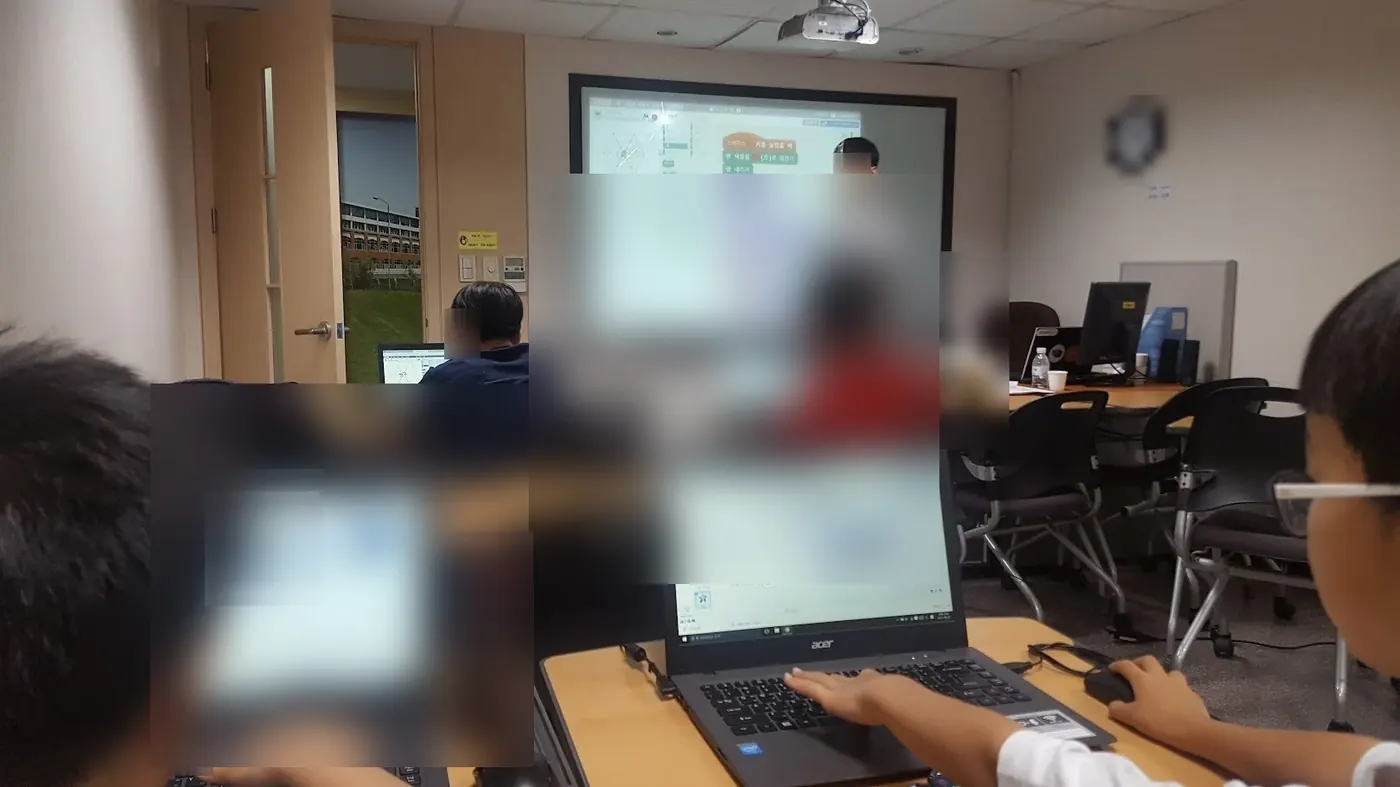
What counts as useful evidence?
A reproducible sports research repository, a paper-style report with model cards, and a leakage experiment and results by condition.
What should an admissions reader be able to see?
The student sets their own question, then designs and tests a feature, model, interface, or solution of their own. In an application or interview, the student separates the material they drew on from their own decisions, results, failed attempts, revisions, and limits.
Useful evidence may include a documented dataset, baseline comparison, model evaluation, error analysis, and a clear record of the student's own decisions.
The evidence an application reads is what the student understood, completed, and can explain.
Which sources were reviewed?
Catalog reviewed: 2026-09-30
Questions parents search before choosing this course
Is AI + Sports: Data and Vision Research a good fit for high school students in Grades 9-12?
AI + Sports: Data and Vision Research is a good fit for students in grades 9-12 who are interested in interpreting salary regression residuals and denominators in injury statistics. CIT offers online or in-person lessons in Apgujeong, Gangnam, Seoul, in one-to-one or small-group formats. Students make a reproducible sports research repository, a paper-style report with model cards, and a leakage experiment and results by condition.
Can my child take AI + Sports: Data and Vision Research online or in person, one-to-one or in a small group?
Yes. CIT offers online and in-person lessons at its Apgujeong academy in Gangnam, Seoul, with one-to-one and small-group options. A readiness consultation confirms the available format and starting point for the course.
Does my child need prior subject knowledge or coding experience for AI + Sports: Data and Vision Research?
Course placement follows current subject and coding readiness. Students should be ready to document sources, methods, and limits. Advanced tools are introduced after a clear baseline.
What will my child make or practice in AI + Sports: Data and Vision Research?
The main evidence is a reproducible sports research repository, a paper-style report with model cards, and a leakage experiment and results by condition. Students also document decisions, tests, feedback, and limits in age-appropriate language.
How can a student describe work from AI + Sports: Data and Vision Research in a college application?
The student sets their own question, then designs and tests a feature, model, interface, or solution of their own. In an application or interview, the student separates the material they drew on from their own decisions, results, failed attempts, revisions, and limits. Useful evidence may include a documented dataset, baseline comparison, model evaluation, error analysis, and a clear record of the student's own decisions.
How are the schedule and tuition for AI + Sports: Data and Vision Research determined?
CIT confirms the student's readiness, goal, location, class size, and current availability before recommending a course plan. The consultation and level check are free; tuition is explained before enrollment.
When should a student start?
There is no fixed intake month. CIT reviews the student's current school term, readiness, and available hours, then names the point in the course where they should begin.
The teachers are always attentive and considerate, so we feel comfortable trusting them with our child.
Where else parents check CIT
Choose the course after a readiness check
CIT can compare this course with nearby options by age, subject, and current preparation.