USACO practice · independent implementation and reasoning · Seoul and online
Algorithm contest prepPractises independent problem solving and testing.
USACO Silver: Java and C++
Placement by readiness: binary search on an answer...
- Free consultation and level check
- Apgujeong classroom or online
- One-to-one or small group
- Registered academy no. 11882

What should a student know before USACO Silver: Java and C++?
Use Java or C++ to replace repeated work with prefix sums, ordered searches and graph traversals. The 16 lessons ask you to explain each method's conditions and compare your program with a simpler solution, not just pass the sample. Course completion does not guarantee promotion or a contest result.
Students study how binary search on an answer and graph and tree traversal shape the challenge, then design and test their own solution. Students keep practice code, tests and proof notes, distinguishing independent work from help received. Practice completion is not an official contest achievement.
Google sign-in is required. Existing account permissions determine access.
It was our first computing competition, so we did not know where to begin. The teachers guided us step by step from the start, and we were able to prepare for that first attempt.
- Age group
- Placement by readiness
- Academic subject
- Computer Science & Coding, Research & PortfolioBrowse subject
- Course type
- Competition preparation
- Format
- Online or Apgujeong in person · one-to-one or small group
- Teaching language
- Korean tutor guides; English problem references
- Programming languages
- Java / C++17
- Curriculum status
- Lesson-readyEvery learning item includes the evidence, worked example, practical work, and tutor guidance required by CIT's lesson-ready standard.
How can I explain this course to my child?
Use Java or C++ to replace repeated work with prefix sums, ordered searches and graph traversals. The 16 lessons ask you to explain each method's conditions and compare your program with a simpler solution, not just pass the sample.
Which interests suggest this course?
- binary search on an answer
- graph and tree traversal
- algorithm preconditions
What does the student finish?The student leaves with independently written practice programs, test inputs and outputs, proof notes, and a record of help received.
Is this a good fit?
A strong fit for students who want to create software, strengthen CS fundamentals, or prepare for a computing course or competition.
Independently implement Bronze-level search, simulation, sorting and prefix sums.
Explain complexity, boundary cases and integer bounds; use Java or C++ without relying on copied templates.
What will my child learn?
- Cut repeated work with 1D and 2D prefix sums and two pointers, and state the monotone condition that makes binary search on the answer valid.
- Use coordinate compression, priority queues and sorting-based greedy choices, and check each choice with an exchange argument.
- Find connected components and shortest paths by edge count with DFS and BFS, and trace tree paths and cycles in functional graphs.
- Read the conditions of archived problems and reproduce practice-mock mistakes before the Gold placement check.
How does the course progress?
- 1Prefix sums, positive windows and binary search
- 2Compression, priority queues and greedy choices
- 3Graphs, trees, functional graphs and bit operations
- 4Archived problem bridge, practice mock and Gold placement
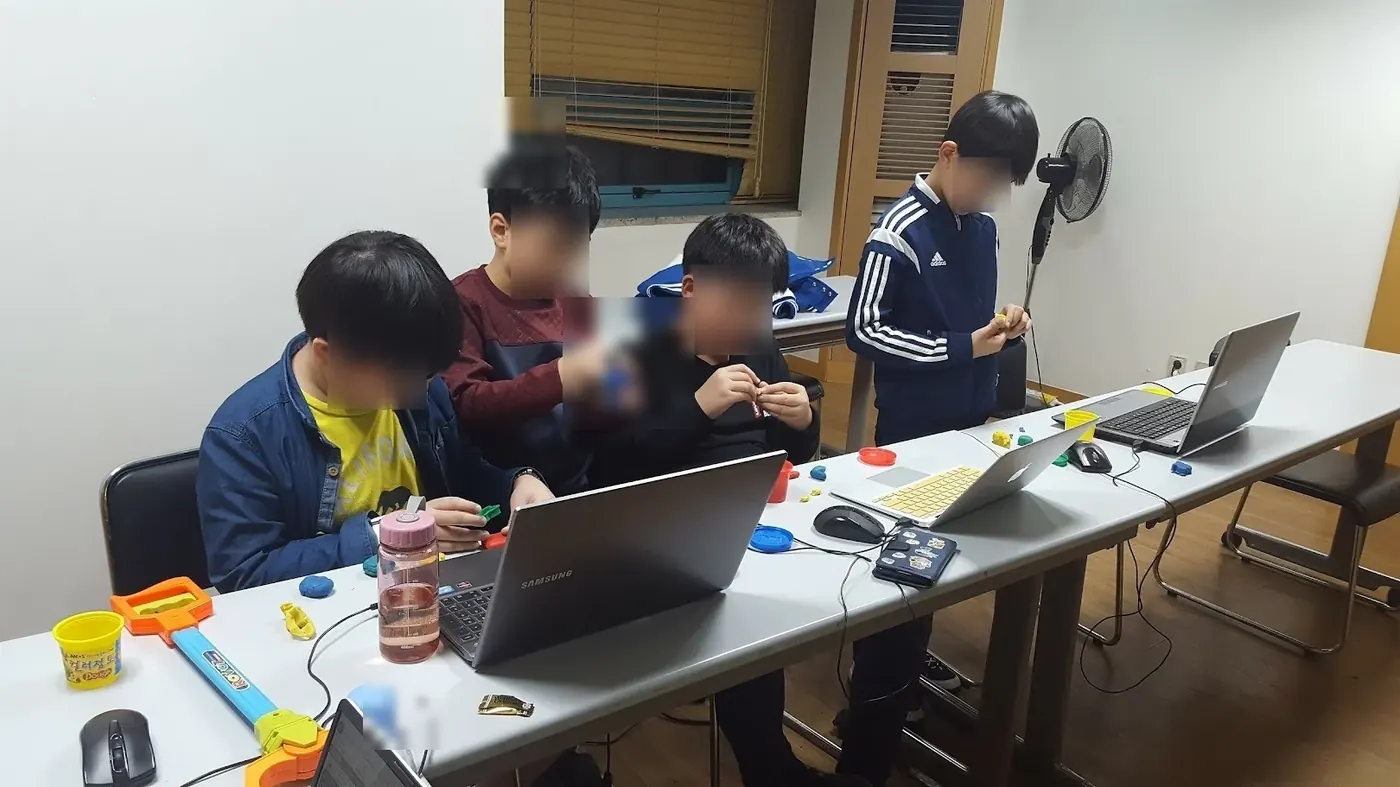
What counts as useful evidence?
Independently written practice programs, test inputs and outputs, proof notes, and a record of help received.
What should an admissions reader be able to see?
Students keep practice code, tests and proof notes, distinguishing independent work from help received. Practice completion is not an official contest achievement.
Useful evidence may include readable code, tests, version history, design choices, and a working product the student can explain.
The evidence an application reads is what the student understood, completed, and can explain.
Which sources were reviewed?
Catalog reviewed: 2026-09-30
Questions parents search before choosing this course
What should a student know before USACO Silver: Java and C++?
Independently implement Bronze-level search, simulation, sorting and prefix sums. Explain complexity, boundary cases and integer bounds; use Java or C++ without relying on copied templates.
Which programming languages are available in USACO Silver: Java and C++?
Bronze offers Python, Java and C++; Silver, Gold and Platinum offer Java and C++. The selection changes runnable examples and commands. This is CIT's teaching policy, not a claim that official USACO rules prohibit Python above Bronze.
What do lessons and homework in USACO Silver: Java and C++ include?
Original practice tasks, hand traces, algorithm conditions, complete examples, explained quizzes, boundary tests and homework checking criteria. Homework builds inputs such as single-element ranges or unreachable graphs and checks results against a direct loop or all-pairs shortest paths on a small graph. Tutors record independently completed work separately from work done with help.
Do the practice mocks in USACO Silver: Java and C++ predict an official result?
No. These mocks revisit previously practiced original problems to check independent implementation. They are not unseen official contests and do not predict promotion, medals or selection.
Can students use AI or examples from USACO Silver: Java and C++ during an official contest?
These materials are for practice. Check current official USACO instructions before each contest; active-contest rules prohibit generative AI, collaboration and prewritten code/templates.
Is USACO Silver: Java and C++ activated in the LMS?
The course is present in the recorded LMS catalog. Confirm current enrollment, tutor availability and scheduling with CIT; the public guide is not an enrollment confirmation.
When should a student start?
Registration and submission windows are fixed by the organiser. CIT checks the time left before deciding how far the project can reasonably go, so an earlier start widens the options rather than the promises.
The teachers are always attentive and considerate, so we feel comfortable trusting them with our child.
Where else parents check CIT
Choose the course after a readiness check
CIT can compare this course with nearby options by age, subject, and current preparation.