Future college-application foundation · student questions and explanations · Seoul and online
Early foundationA first course for younger elementary students.
Storytelling Python: Parallel Universe Designer
Early years to Grade 2: branching stories, games with...
- Free consultation and level check
- Apgujeong classroom or online
- One-to-one or small group
- Registered academy no. 11882
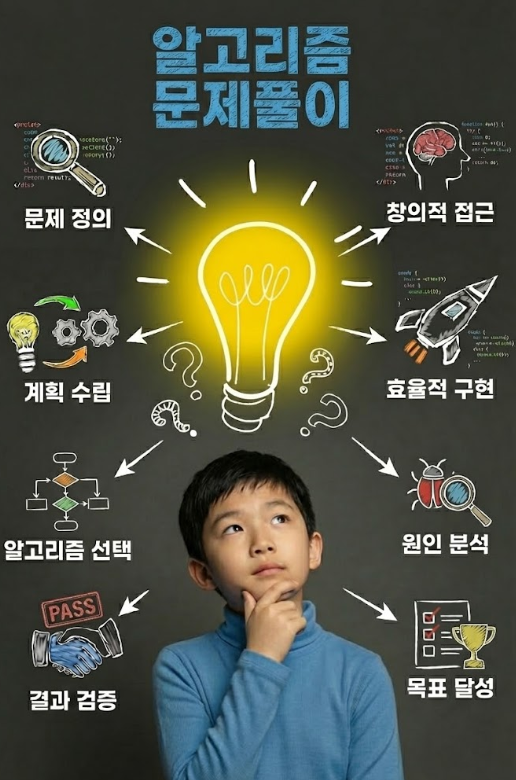
Is Storytelling Python: Parallel Universe Designer a good fit for young learners through Grade 2?
Storytelling Python: Parallel Universe Designer is a good fit for students in early years to grade 2 who are interested in branching stories and games with several endings. CIT offers online or in-person lessons in Apgujeong, Gangnam, Seoul, in one-to-one or small-group formats. Students make a text adventure game with three endings and a paper flowchart of the branches.
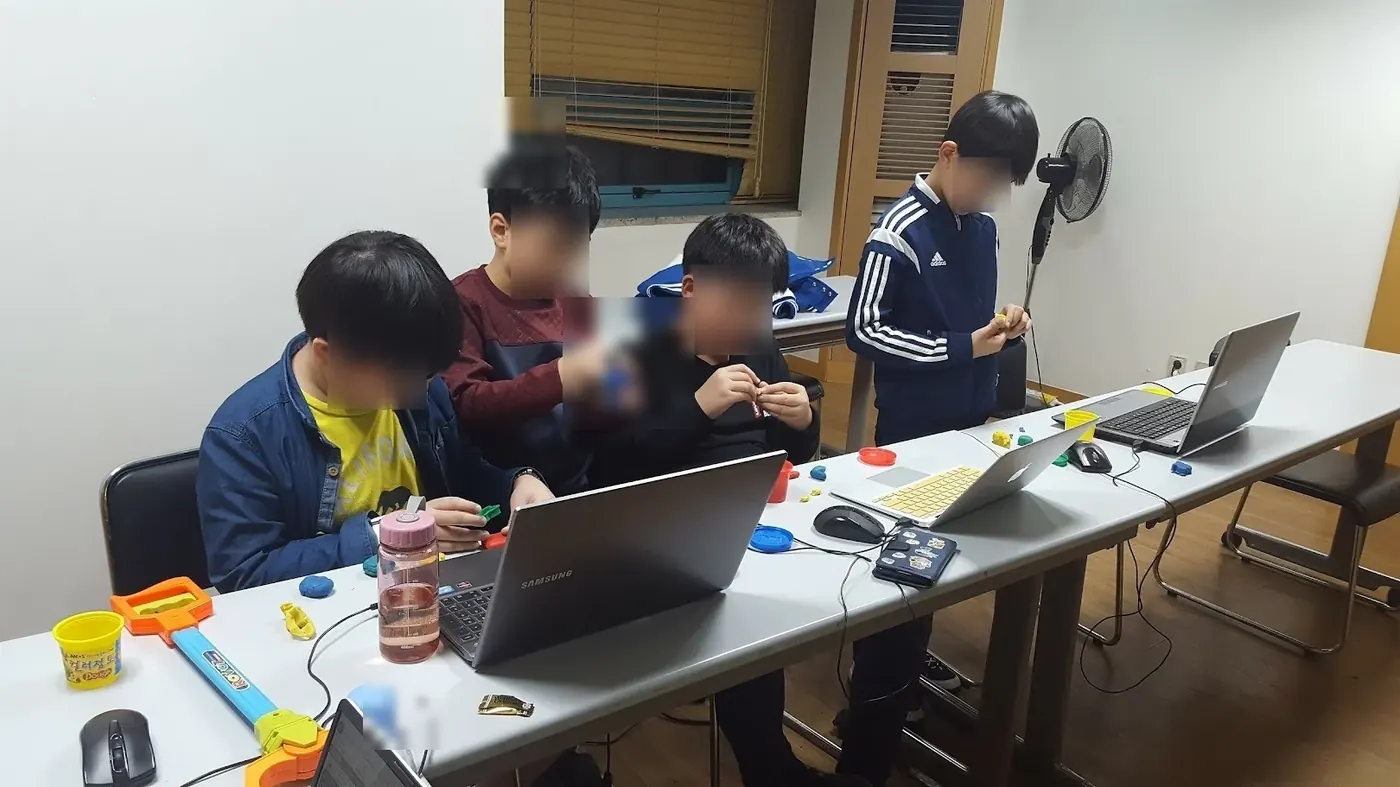
Children put the first line of a story on screen with print and ask for a name with input to place in the story. With if and elif the story splits by the player's choice, an earlier choice changes a later scene, and while lets a scene repeat. A paper flowchart shows branches that do not connect, and the finished text adventure with three endings is played by a friend. This builds the foundation a college application later rests on: the student asks a question, makes something, revises it, and explains that process in their own words. At this age the habit comes before the artifact.
Google sign-in is required. Existing account permissions determine access.
As soon as my child got home, they showed me the game they had made. They said it was so much fun.
- Age group
- Early years to Grade 2
- Academic subject
- Computer Science & Coding, Physics & Space, Arts, Media & DesignBrowse subject
- Course type
- Course
- Format
- Online or Apgujeong in person · one-to-one or small group
- Teaching language
- Korean by default, with complete English materials
- Curriculum status
- Learning studioA structured learning studio with goals, deliverables, and follow-up work is available. Tutors confirm supporting materials before delivery.
From open research to student-owned work
Students inspect a relevant public source, reproduce the idea, then add an original question, feature, or test. Every source is public, and each lesson names the exact page it opens.
How can I explain this course to my child?
If exploring branching stories or games with several endings makes you want to build instead of only watch or read, Storytelling Python: Parallel Universe Designer lets you make, test, and improve something of your own.
Which interests suggest this course?
- branching stories
- games with several endings
- Python print and input
What does the student finish?A text adventure game with three endings and a paper flowchart of the branches.
Is this a good fit?
A strong fit for students who want to create software, strengthen CS fundamentals, or prepare for a computing course or competition.
No prior coding is required.
The child should be ready to describe choices and ask for help.
A parent may help with accounts or device setup.
What will my child learn?
- Print several lines in order and place a name taken with input inside a sentence.
- Split the story with if, else, and elif so each numbered choice leads somewhere different.
- Save an earlier choice in a variable and use it as a condition in a later scene.
- Run every branch once and fix scenes that can never be reached.
How does the course progress?
- 1Putting the Story on Screen
Show the first sentence with print, then add the player's name from input and saved values to the story.
- 2Branching on a Choice
Offer a two-way choice, grow the branches to three, and ask again when the number is not on the list.
- 3Linking Branches into a World
Draw the branches as a paper flowchart to find gaps, let an earlier choice change a later scene, and repeat a scene with while.
- 4Finishing the Endings
Check the conditions for three endings, test every branch, and see which ending a friend reaches.
What counts as useful evidence?
A text adventure game with three endings and a paper flowchart of the branches.
What should an admissions reader be able to see?
This builds the foundation a college application later rests on: the student asks a question, makes something, revises it, and explains that process in their own words. At this age the habit comes before the artifact.
Useful evidence may include readable code, tests, version history, design choices, and a working product the student can explain.
The evidence an application reads is what the student understood, completed, and can explain.
Questions parents search before choosing this course
Is Storytelling Python: Parallel Universe Designer a good fit for young learners through Grade 2?
Storytelling Python: Parallel Universe Designer is a good fit for students in early years to grade 2 who are interested in branching stories and games with several endings. CIT offers online or in-person lessons in Apgujeong, Gangnam, Seoul, in one-to-one or small-group formats. Students make a text adventure game with three endings and a paper flowchart of the branches.
Can my child take Storytelling Python: Parallel Universe Designer online or in person, one-to-one or in a small group?
Yes. CIT offers online and in-person lessons at its Apgujeong academy in Gangnam, Seoul, with one-to-one and small-group options. A readiness consultation confirms the available format and starting point for the course.
Does my child need prior subject knowledge or coding experience for Storytelling Python: Parallel Universe Designer?
No prior coding is required. The child should be ready to describe choices and ask for help. A parent may help with accounts or device setup.
What will my child make or practice in Storytelling Python: Parallel Universe Designer?
The main evidence is a text adventure game with three endings and a paper flowchart of the branches. Students also document decisions, tests, feedback, and limits in age-appropriate language.
How does my child explain what they made in Storytelling Python: Parallel Universe Designer?
Children show what they made and explain in their own words why they chose it, what happened when they tried it, and what they changed. At this age, the habit of asking and revising comes before the finished product.
How are the schedule and tuition for Storytelling Python: Parallel Universe Designer determined?
CIT confirms the student's readiness, goal, location, class size, and current availability before recommending a course plan. The consultation and level check are free; tuition is explained before enrollment.
When should a student start?
There is no fixed intake month. CIT reviews the student's current school term, readiness, and available hours, then names the point in the course where they should begin.
I worried because it was hard to explain to my child why they should learn coding. Being with friends seems to make the classes enjoyable for them.
Where else parents check CIT
Choose the course after a readiness check
CIT can compare this course with nearby options by age, subject, and current preparation.